Chicken Kabsa Recipe: Easy Saudi Style One Pot Meal In 2026
Chicken Kabsa Recipe – Easy & Delicious In 2026
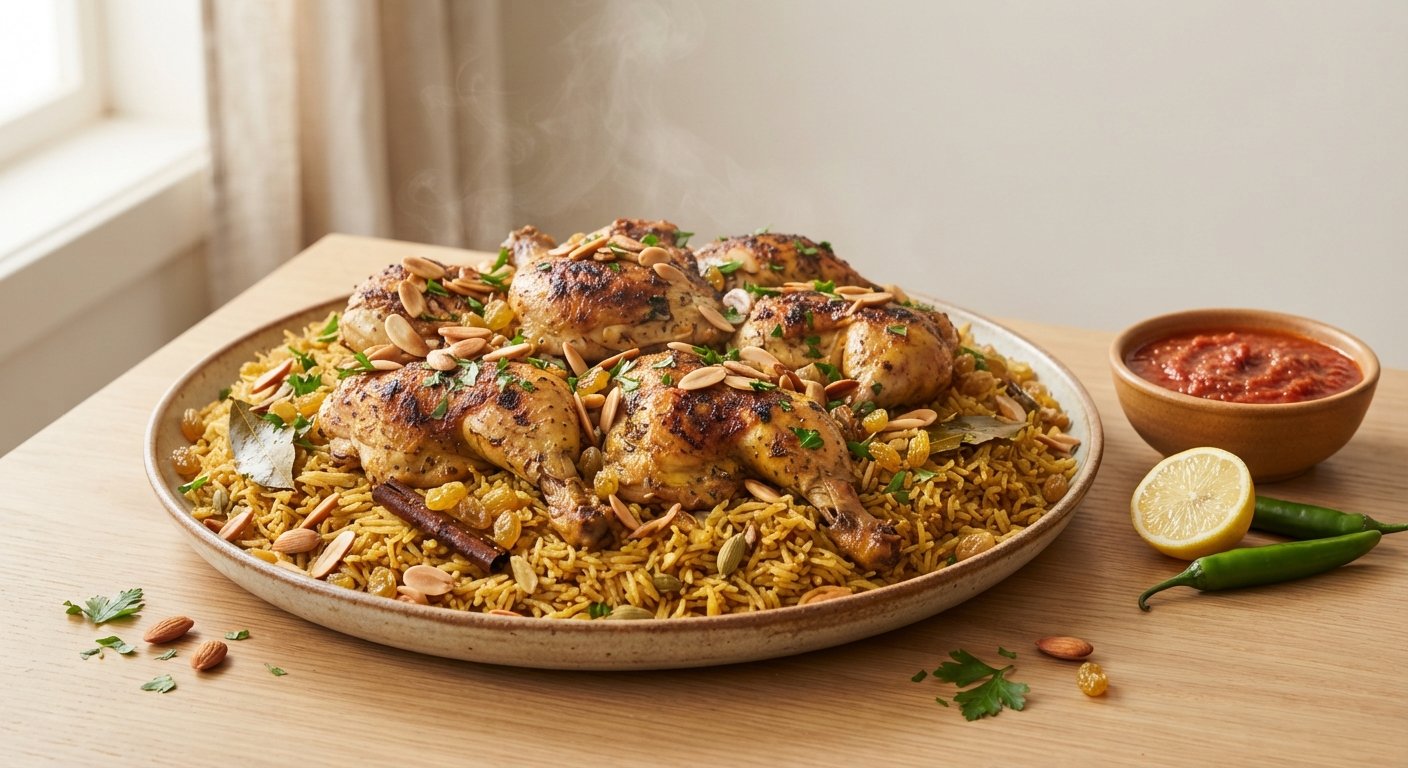
This chicken kabsa recipe is a one-pot rice dish that fills the whole house with the smell of cardamom, cinnamon and slow-cooked onion. Tender spiced chicken, long grains of fragrant basmati and a tomato-rich base that turns the rice golden-brown. It is the national dish of Saudi Arabia, and it is a favorite across the Gulf for good reason.
Kabsa looks like a big, impressive meal, but the method is simple. You brown the chicken, build a spiced base with onion and tomato, simmer the chicken until tender, then cook the rice in the same flavorful broth. Nothing is complicated. Everything just needs time and a little patience.
The finishing touch is what makes it feel like a feast. The chicken goes under a hot broiler for a few minutes to crisp the skin, then the rice is piled onto a platter, topped with the chicken and scattered with toasted almonds and raisins. A spoon of spicy tomato sauce on the side adds a sharp, fresh contrast.
It is a great meal for family gatherings, Eid dinners and weekend lunches. It also scales up easily and reheats well. If you have been looking for an easy one pot chicken and rice dinner that feels special, this recipe is a very good place to begin.
Chicken Kabsa Recipe
Ingredients
Method
- Bone-in, skin-on chicken. Bones give the broth body, and the skin gives you a crisp finish under the broiler. Boneless chicken cooks fast but makes a thin broth, so it is a poor fit here. Cut the chicken into 8 pieces so everything cooks evenly.

- Long grain basmati rice. It stays separate and fluffy and takes on the flavor of the broth well. Aged basmati is best. Short grain rice turns sticky and heavy, so it does not suit kabsa.
- Onions. The onions are cooked slowly until deep golden, and they give the sauce sweetness and color. Slice them thin so they melt into the base. Do not rush this step, because pale onion leaves the dish tasting flat.
- Tomato paste and fresh tomatoes. Together they give the rice its rich, warm color and a light tang. The paste adds depth, and the fresh tomatoes add moisture and freshness. Fry the paste for a minute so it loses its raw edge.
- Carrot. Grated carrot melts into the base and adds a mild sweetness that balances the spices. It is a traditional addition, and it also gives the rice a pretty orange tint.
- Whole and ground spices. Kabsa gets its character from a mix of warm spices, not heat. Cardamom, cinnamon, cloves and bay leaf give fragrance. Cumin, coriander, paprika and turmeric give body and color. Use fresh spices, because old ones taste dusty.
- Dried lime (loomi). It adds a sour, earthy, slightly smoky note that is typical of Gulf cooking. Pierce the limes so the flavor releases. If you cannot find them, skip them and add a squeeze of fresh lemon at the end.
- Ghee. It gives the dish a nutty richness and carries the spices. Oil works as well, and it makes the dish lighter.
- Almonds and raisins. They add crunch and sweetness. Toast the almonds until golden, and warm the raisins in ghee until they puff. They also make the platter look beautiful.
- Tomato chili sauce. A fresh, spicy sauce cuts through the richness of the rice. It takes two minutes to make and is well worth the effort.
- Kabsa is a patient dish, but the prep is simple. Most of the work is slicing and measuring, and the rice soaks while you do it.
- Place the basmati in a large bowl and cover with cold water. Swirl it gently with your fingers, pour off the cloudy water and repeat until it runs mostly clear. Cover the rice with fresh water and leave it to soak for 30 minutes. Soaking helps the grains stretch long and cook evenly. Drain well just before cooking.
- Cut the chicken into 8 pieces if it is whole, or use ready-cut pieces. Pat them dry with paper towels, because dry skin browns better. Rub them with 1 teaspoon of the salt and set them aside while you prepare the vegetables.
- Cut the onions in half and slice them into thin half-moons. Even slices cook at the same speed and melt into the sauce. This is the flavor base of the dish, so take a few minutes to do it carefully.
- Mince the garlic, chop the tomatoes and grate the carrots. Keep them in separate bowls near the stove, so you can add them in order. Pierce the dried limes with a fork.
- Put the whole spices in one small bowl and the ground spices in another. This keeps the cooking smooth, because spices burn quickly. If you are using a ready-made kabsa spice mix, use about 2 tablespoons in place of the individual spices.
- You need a wide, heavy-bottomed pot with a tight-fitting lid, about 5 to 6 liters. A heavy pot holds the heat evenly and stops the rice from scorching at the bottom. If your lid is loose, cover the pot with a clean kitchen towel before closing it, which helps trap the steam.
- Spread the rice on a large platter and arrange the chicken pieces on top. Scatter the toasted almonds, raisins and parsley over everything. Serve with the tomato chili sauce in a small bowl, lemon wedges and a simple salad.
- In many homes, kabsa is eaten family style from one big platter. Set it in the middle of the table and let everyone help themselves. Cucumber and yogurt salad, or a simple chopped salad of tomato, cucumber and onion with lemon, balances the richness.
- This chicken kabsa recipe also goes well with a bowl of yogurt, a dish of pickled vegetables and warm flatbread. If you are serving a crowd, make a second pot of plain rice alongside it.
- For a milder meal for children, serve the sauce on the side, so everyone can control their own heat.

- Let the rice rest, covered, for 10 minutes before opening the pot. This lets the grains finish steaming and firm up, so they stay separate and do not turn sticky when you fluff them.
How to Make This Chicken Kabsa Recipe Step by Step
Step 1:
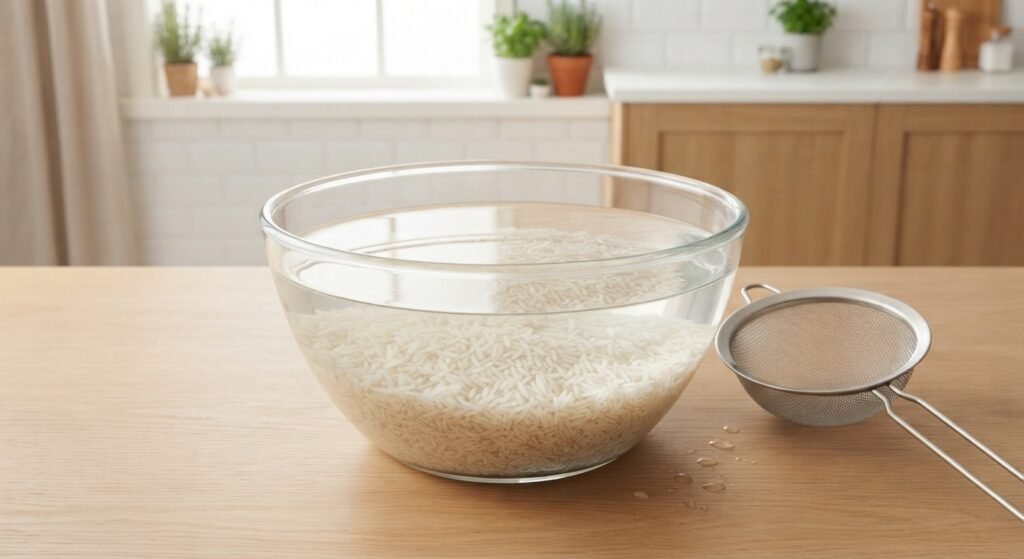
Wash and soak the rice. Rinse the basmati in cold water until the water runs mostly clear, then soak it in fresh water for 30 minutes. Drain it well in a sieve just before you need it. Soaked rice cooks evenly, and the grains stretch long and stay separate. While it soaks, you have time to season the chicken and chop the vegetables, so use the waiting time well.
Step 2:
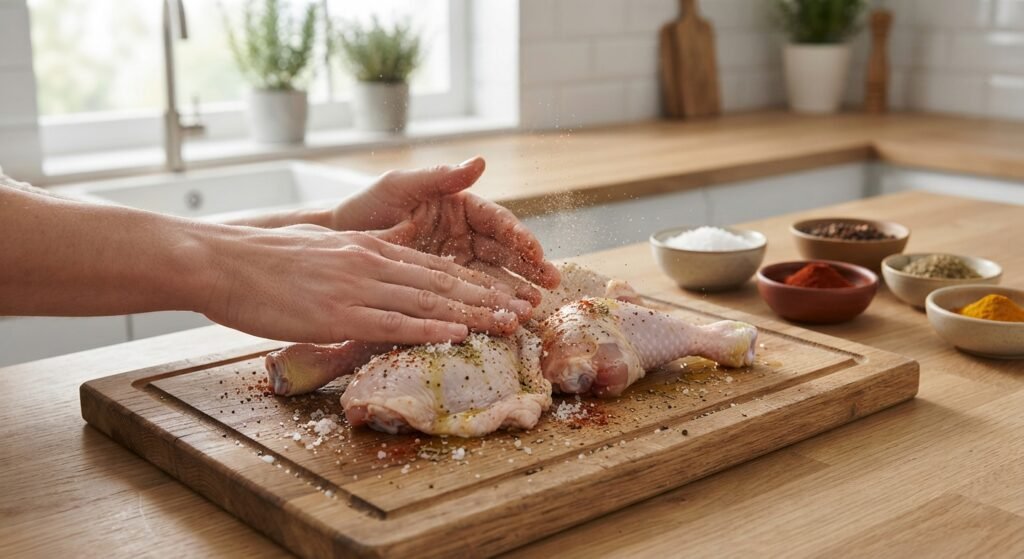
Season the chicken. Pat the chicken pieces dry and rub them with 1 teaspoon of salt and a pinch of the ground paprika and cumin. Let them sit at room temperature for 15 minutes while you prepare the base. A little seasoning at this stage means the meat tastes good all the way through. Keep the remaining salt for the base and the rice, so you can adjust it later.
Step 3:
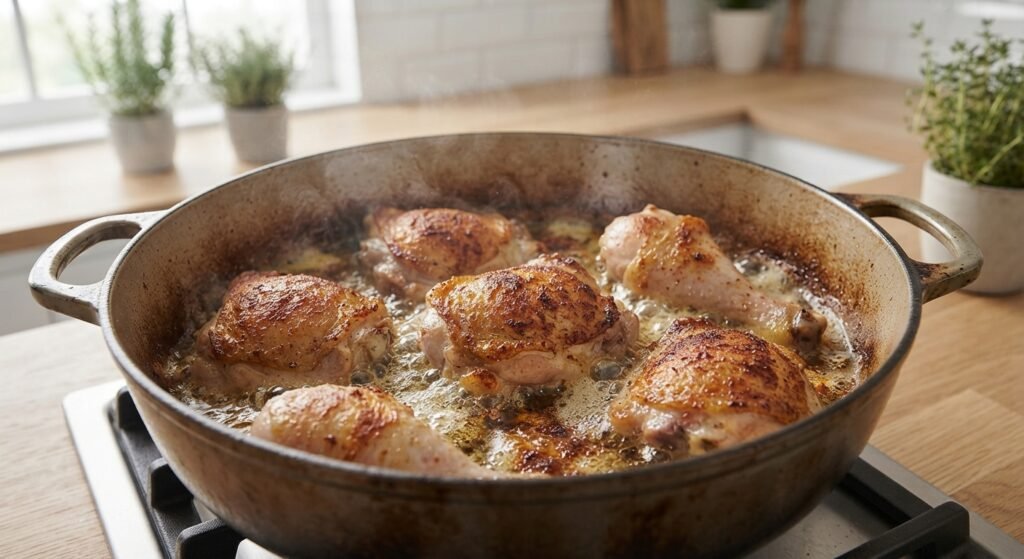
Brown the chicken. Heat the ghee in a large, heavy pot over medium-high heat. Place the chicken in the pot skin side down, in batches if needed, and cook for 4 to 5 minutes per side until deep golden. A good brown crust is the foundation of this chicken kabsa recipe, because the browned bits left in the pot will flavor the whole dish. Move the chicken to a plate and leave the fat in the pot.
Step 4:
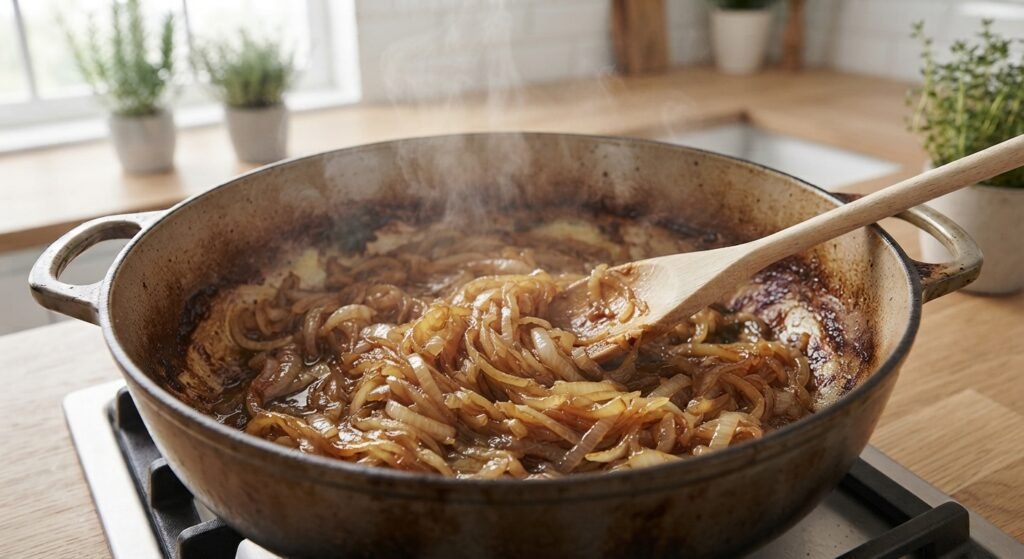
Cook the onions. Lower the heat to medium and add the sliced onions with a pinch of salt. Cook for 12 to 15 minutes, stirring often, until they turn soft and deep golden brown. Scrape the bottom of the pot as the onions release moisture, so the browned bits lift up. If the onions start to stick or burn, add a splash of water. Patience here makes the base of the dish richer and sweeter.
Step 5:
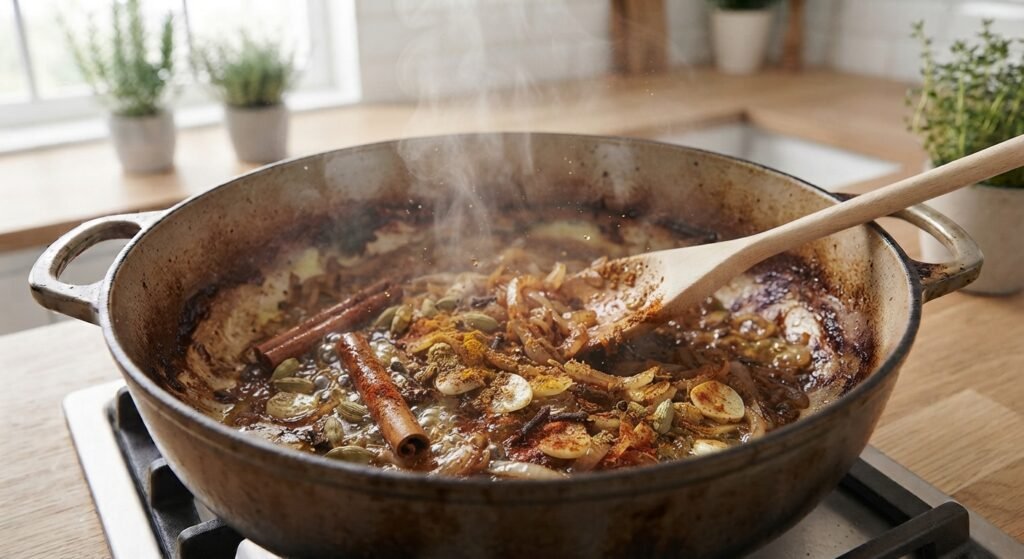
Add the garlic and spices. Add the whole cardamom, cinnamon, cloves, bay leaves and peppercorns and stir for 30 seconds, until they smell fragrant. Add the garlic and green chilies and stir for another 30 seconds. Then add the ground cumin, coriander, paprika, turmeric and nutmeg. Toasting the spices in the hot fat is what gives a chicken kabsa recipe its warm, deep aroma. Keep everything moving, because spices burn quickly.
Step 6:
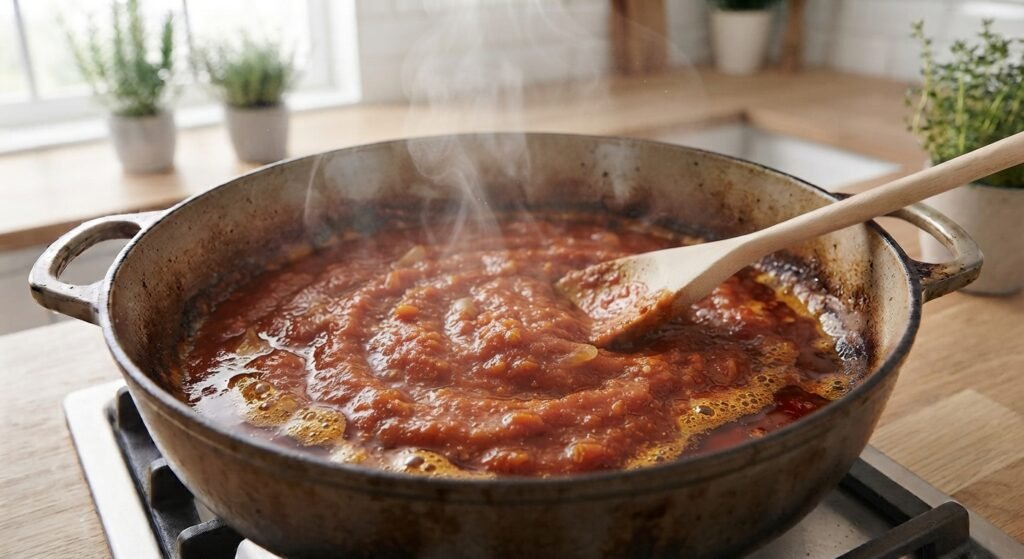
Build the tomato base. Stir in the tomato paste and cook for 1 minute until it darkens a shade. Add the chopped tomatoes and the grated carrots. Cook for 6 to 8 minutes, stirring now and then, until the tomatoes break down and the mixture turns thick and jammy. When the oil starts to separate at the edges, the base is ready. A well-cooked base gives the rice its rich color and prevents a raw tomato taste.
Step 7:
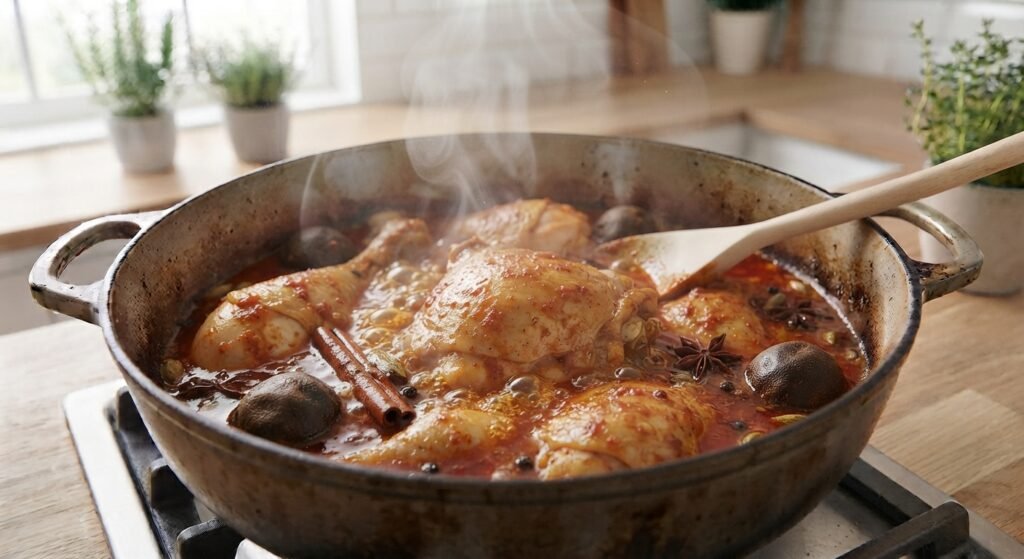
Simmer the chicken. Return the chicken to the pot and add the pierced dried limes and the 6 cups of hot water. Bring it to a boil, skim off any foam, then reduce the heat to low. Cover and simmer for 30 to 35 minutes, until the chicken is tender and reaches at least 74 C (165 F). The broth should smell rich and spiced. This long, gentle simmer builds all the flavor that the rice will soak up later.
Step 8:
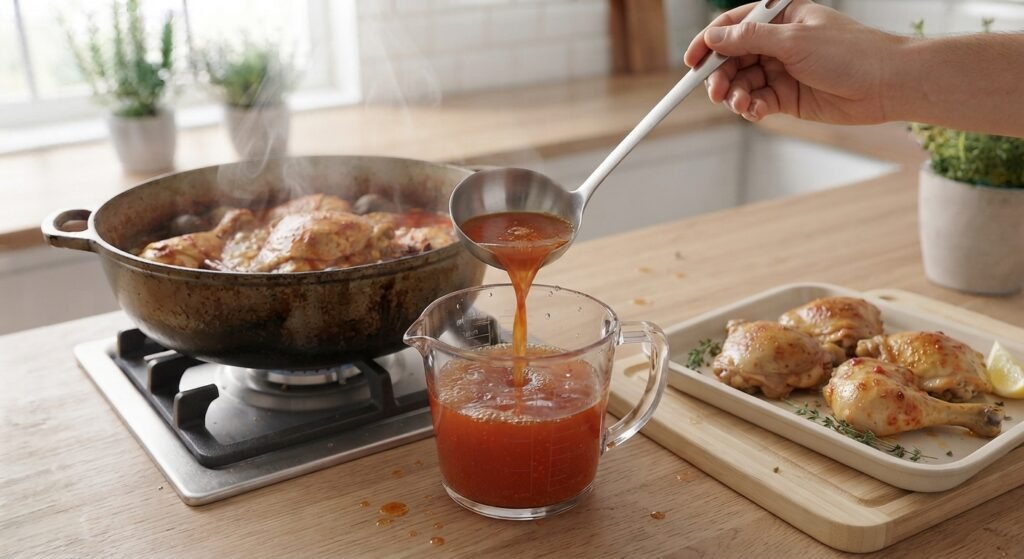
Measure the broth. Lift the chicken out with tongs and set it on a tray. Fish out the whole spices if you like. Measure the broth. You need exactly 4 1/2 cups for 3 cups of soaked rice. If you have more, boil it down for a few minutes. If you have less, top it up with hot water. This careful measuring is the secret to fluffy grains in a chicken kabsa recipe, because too much liquid makes the rice mushy.
Step 9:
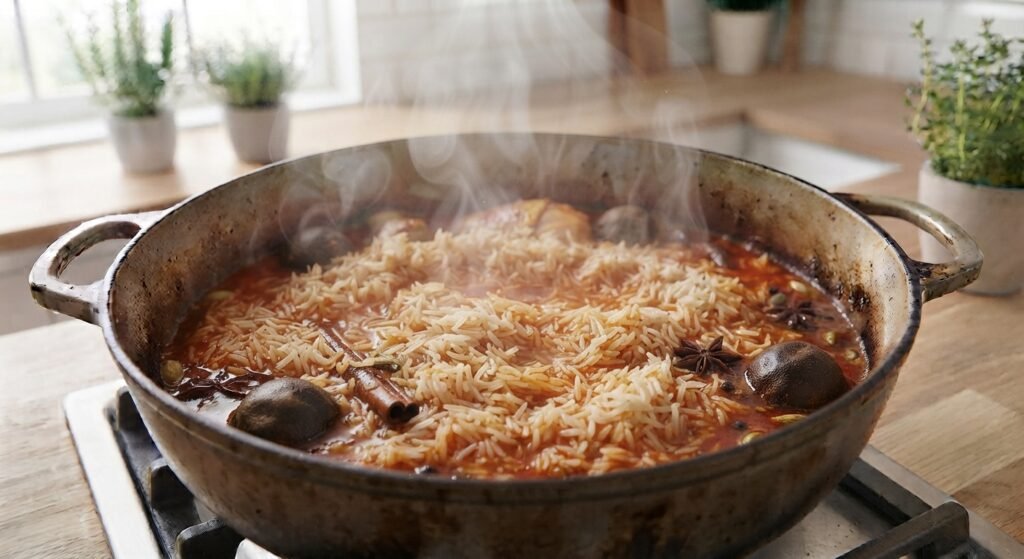
Cook the rice. Bring the broth to a rolling boil and taste it. It should be well seasoned, slightly salty. Add the drained rice and the remaining salt and stir once. Boil uncovered over medium-high heat for 6 to 8 minutes, until the liquid level drops just below the surface of the rice and small steam holes appear. Do not stir again, because stirring breaks the grains and makes them gummy.
Step 10:
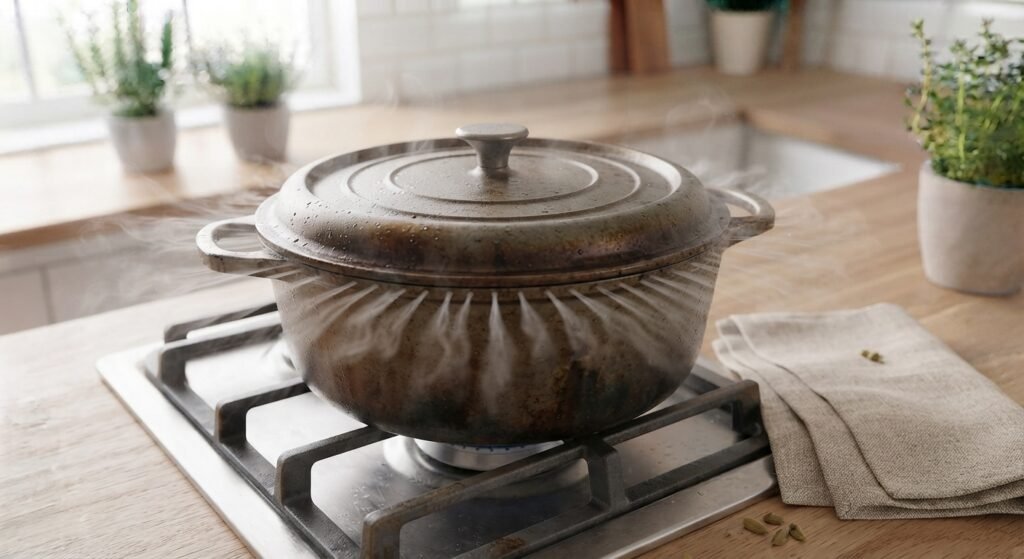
Steam the rice. Reduce the heat to the lowest setting, cover the pot tightly and cook for 15 minutes. Do not lift the lid. Turn off the heat and let the pot sit, still covered, for 10 minutes. The leftover steam finishes the rice, and the grains firm up so they separate easily. A good chicken kabsa recipe needs that rest, so do not skip it. Fluff gently with a fork from the bottom.
Step 11:
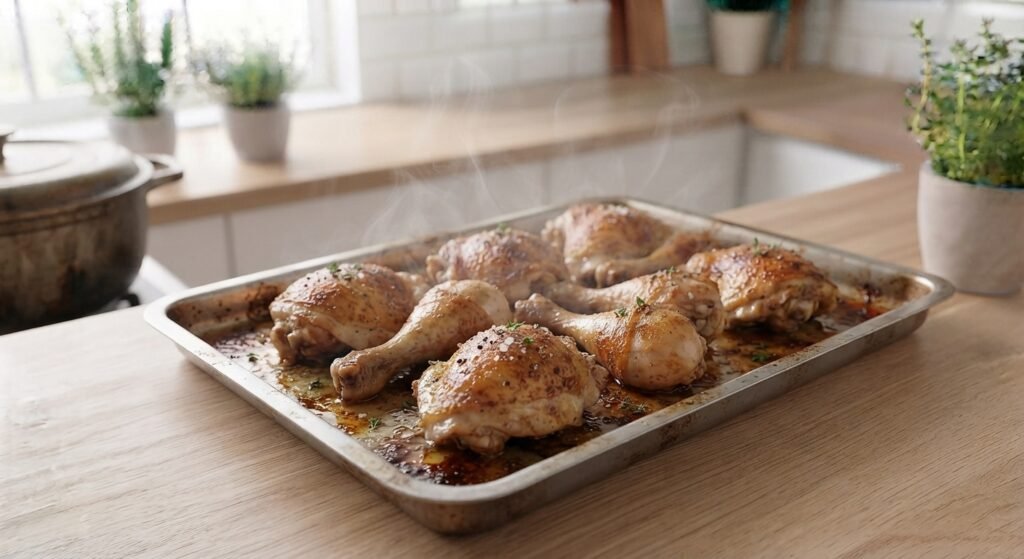
Crisp the chicken. While the rice rests, heat the broiler or oven to 230 C (450 F). Place the chicken on a lined baking tray, skin side up, and brush it with a little ghee and a pinch of paprika. Cook for 6 to 8 minutes, until the skin is deep golden and crisp, watching it closely. This last step gives the chicken the roasted look and texture that separates kabsa from a plain boiled chicken and rice.
Step 12:
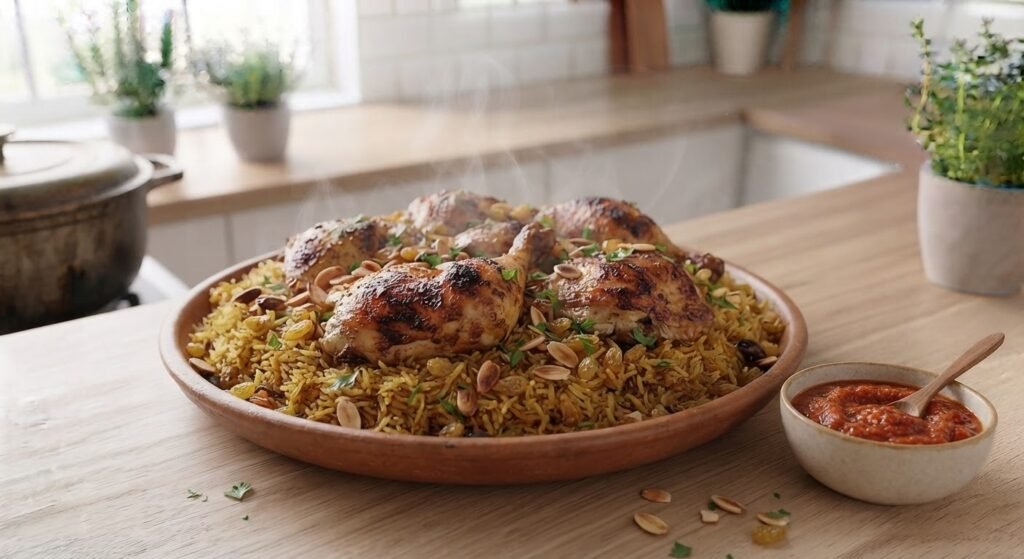
Plate and garnish. Heat the teaspoon of ghee in a small pan and toast the almonds until golden, then stir in the raisins until they puff, about 30 seconds. Spread the rice on a large platter, arrange the chicken on top and scatter the almonds, raisins and parsley. Serve this chicken kabsa recipe hot, with the tomato chili sauce and lemon wedges on the side. Bring the platter straight to the table.
Tips for the Best Chicken Kabsa Recipe
Tips That Make a Difference
Measure the broth. The right ratio of liquid to rice is what makes kabsa fluffy. For soaked basmati, use 1 1/2 times the volume of rice in broth.
Season the broth well. The rice absorbs all of it, so the broth should taste slightly saltier than you would eat it as soup.
Do not stir the rice. Once it goes in, leave it alone. Stirring releases starch and turns the grains sticky.
Brown the onions properly. This step builds the sweetness and color of the whole dish, so do not rush it.
Rest the rice. Ten minutes off the heat, covered, is worth the wait. It makes the grains firm, fluffy and separate.
A good chicken kabsa recipe depends on a tight lid. If steam escapes, the rice on top stays hard.
Variations to Try
- Lamb kabsa: swap the chicken for bone-in lamb pieces and simmer for 1 1/2 to 2 hours, until the meat is very tender.
- Spicy version: add 2 extra green chilies to the base and a pinch of cayenne with the ground spices.
- Saffron version: soak a pinch of saffron threads in 2 tablespoons of warm water and drizzle it over the rice before steaming.
- Pressure cooker version: cook the chicken for 10 minutes under pressure, then cook the rice separately in the broth for 12 minutes.
- Oven version: after the rice boils, cover the pot tightly with foil and a lid and bake at 180 C (350 F) for 20 minutes.
- Vegetable version: replace the chicken with chickpeas and chunks of potato and carrot, and use vegetable stock.
- Chicken tikka kabsa: marinate the chicken in yogurt, lemon and spices before browning, for a smoky, tangy flavor.
Storage Tips
Let the kabsa cool for no more than an hour, then move the rice and chicken into separate airtight containers. Rice should go into the fridge quickly, because cooked rice can grow bacteria if it sits at room temperature.
In the fridge, leftovers keep well for up to 3 days. The flavors deepen overnight, so many people like the rice even more the next day.
For the freezer, portion the rice and chicken into freezer containers or bags, press out the air and freeze for up to 2 months. Thaw overnight in the fridge before reheating. The rice may be slightly softer after freezing, but the flavor holds up well.
Store the almonds and raisins separately in a small jar, so they stay crunchy. The tomato chili sauce keeps in the fridge for 3 days.
You can also prepare ahead. Slice the onions and prepare the tomato sauce the day before, and soak the rice in the morning. When it is time to cook, this chicken kabsa recipe takes less than two hours from start to finish.
Label your containers with the date, so you do not have to guess how long they have been there.
Reheating Tips
The best way to reheat kabsa is on the stove. Put the rice in a pot with a tablespoon of water, cover it and heat over low heat for 8 to 10 minutes, until steaming. The steam brings the grains back to life.
For the chicken, use the oven or an air fryer. Heat it at 200 C (400 F) for 8 to 10 minutes, until hot all the way through and the skin crisps up again. The microwave works, but the skin stays soft.
If you are using the microwave for the rice, sprinkle a spoonful of water over a plateful, cover it loosely and heat for 90 seconds. Stir, check that it is hot in the middle and continue in 30-second bursts if needed.
Reheat only what you plan to eat, and only once. Make sure the chicken and rice are steaming hot before serving.
A squeeze of fresh lemon, a little fresh parsley and a spoonful of tomato chili sauce help revive the flavor.
Common Mistake to Avoid
Using too much liquid. Extra broth leaves the rice mushy. Measure it carefully, and boil down any excess.
Skipping the soak. Unsoaked basmati cooks unevenly and can break. Soak it for at least 30 minutes.
Rushing the onions. Pale onions give a thin, flat base. Cook them slowly until deep golden.
Lifting the lid during steaming. Every peek lets out steam and leaves hard grains on top. Trust the timer.
Stirring the rice. It breaks the grains and makes them sticky. Stir once when you add the rice, then leave it.
Using boneless chicken. It makes a weak broth and dries out in the long simmer. Use bone-in pieces.
Skipping the final crisp. Boiled chicken looks pale and tastes plain. A few minutes under the broiler transform it.
Conclusion
A good rice dish does not have to be complicated, and this chicken kabsa recipe proves it. Brown the chicken, build a spiced tomato base, simmer, cook the rice in the same broth and finish with a crisp skin and toasted nuts. That is the whole story.
Make it for a family gathering or a relaxed weekend lunch. Serve it hot on a big platter with a spoon of tomato chili sauce, and let everyone gather around the table.