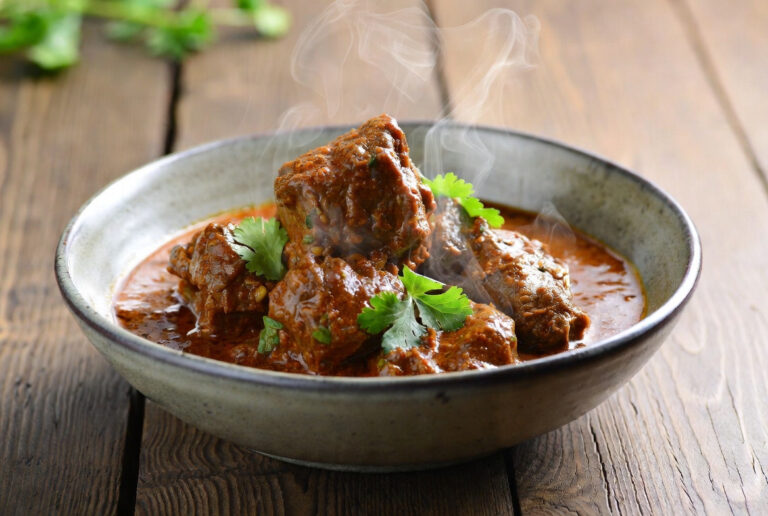
How to Cook Tender Beef at Home (Easy Recipe 2026)
How to Cook Tender Beef at Home, I used to think getting truly tender beef at home was one of those things best left to restaurant kitchens. My early attempts didn’t help that belief. They were… chewy. Impressively chewy. After a few rounds of trial and error (and more than one batch, I probably should’ve sliced thinner to hide the damage), I finally figured out what actually makes beef turn soft instead of stubborn.
Here’s the thing: tender beef isn’t about fancy gadgets or splurging on premium cuts—though those don’t hurt. It mostly comes down to knowing how beef behaves and letting it cook the way it wants to. With the right approach, cuts like chuck roast, brisket, or other tougher options can turn rich and fork-tender instead of dry and tight.
This is the method I keep coming back to. It’s simple, doesn’t need babysitting, and once it gets going, you can pretty much let it do its thing. Bonus: the smell alone is usually enough to make everyone start hovering around the kitchen before it’s even done.
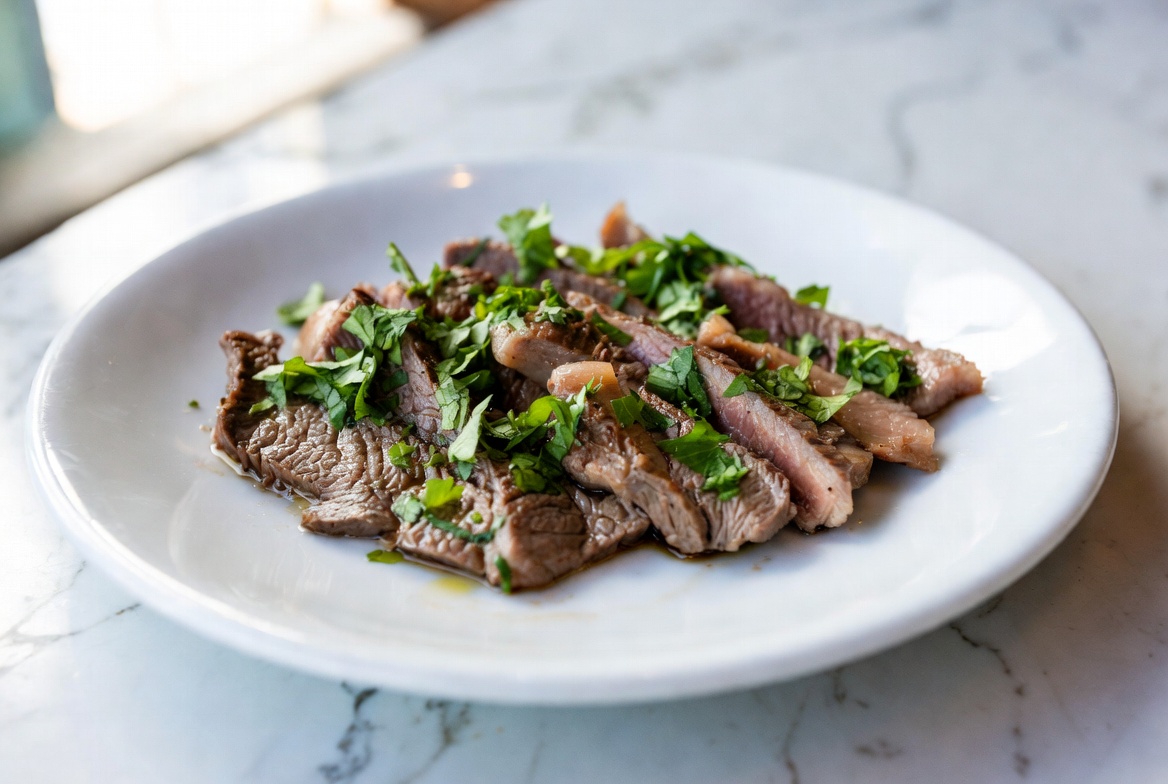
How to Cook Tender Beef at Home
Ingredients
Method
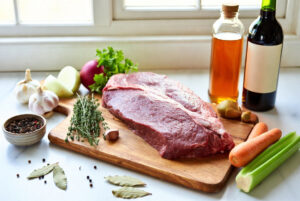
- Before you touch the stove, pull the beef out of the fridge and let it sit for about 30 minutes. Meat straight from the cold just doesn’t brown the same way, and that browning is where a lot of the flavor starts.Take a minute to really dry the beef with paper towels. It seems fussy, but it makes a difference. Any moisture on the surface will cause the meat to steam instead of sear, and you’ll miss that deep, caramelized crust.Season the beef well with salt on all sides. More than feels reasonable at first. Some of it cooks off, and bland beef is hard to fix later.Cut your vegetables into big, chunky pieces. They’ll be in the pot for a long time, so small cuts tend to break down and disappear. Bigger pieces hold their shape and give you something to actually bite into.
- I usually serve this tender beef over creamy mashed potatoes—they soak up all that incredible cooking liquid. But it's also fantastic with buttered egg noodles, crusty bread, or even polenta.Spoon some of the vegetables and cooking liquid over the beef. If you want to make it look fancy, garnish with a bit of fresh parsley or thyme.A simple green salad on the side balances out the richness perfectly.
- If you want the cooking liquid thicker, remove the beef at the end and simmer the liquid uncovered for 10-15 minutes to reduce it.A pressure cooker or Instant Pot cuts the cooking time to about 45 minutes, but I prefer the slow method for texture.Room temperature beef sears better, so take it out of the fridge early.
Video
Cooking Method Step By Step
Step 1: Sear the Beef
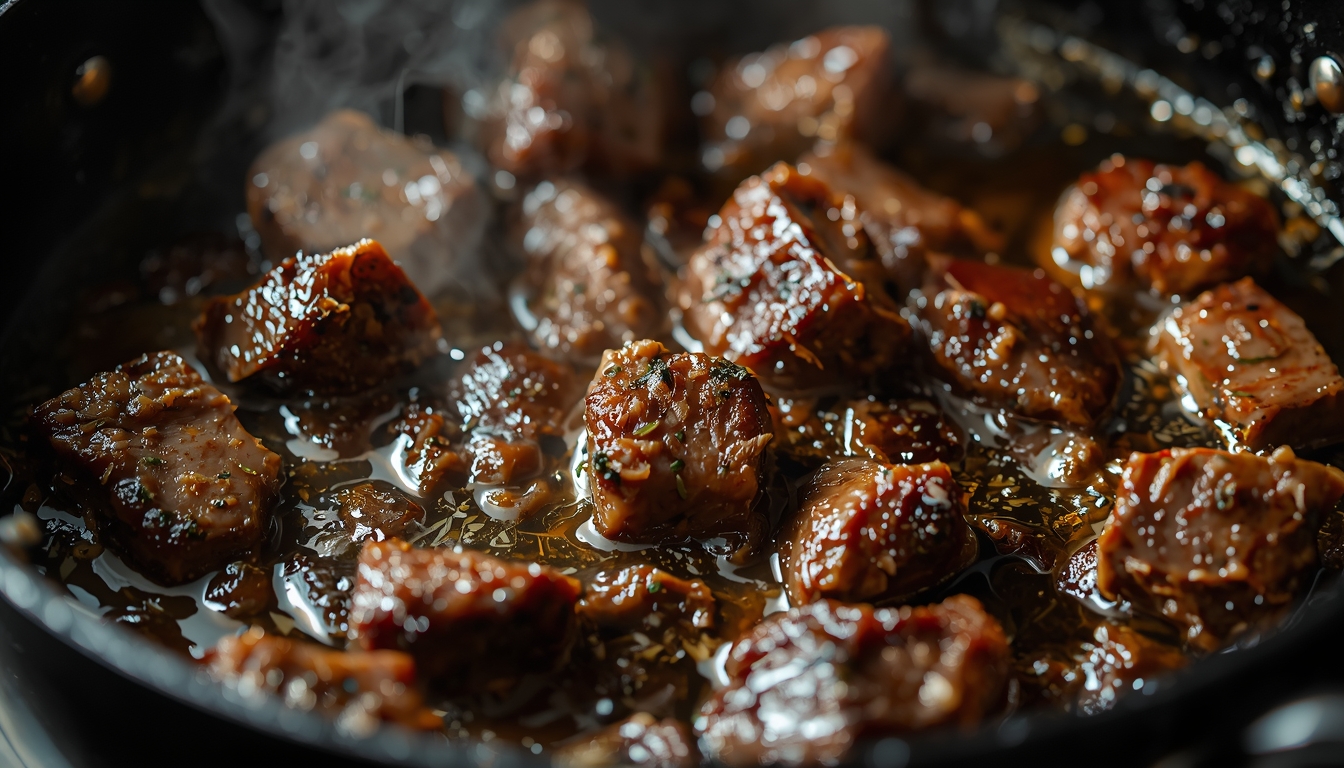
Heat a large, heavy-bottomed pot or Dutch oven over medium-high heat. Add the vegetable oil and let it get properly hot—you should see it shimmer slightly.
Working in batches (don’t crowd the pot), add the beef chunks and sear them on all sides until deeply browned. This takes about 3-4 minutes per side. Don’t rush this part. That golden-brown crust is a flavor you can’t get any other way.
Remove the seared beef and set it aside on a plate.
Step 2: Build the Base
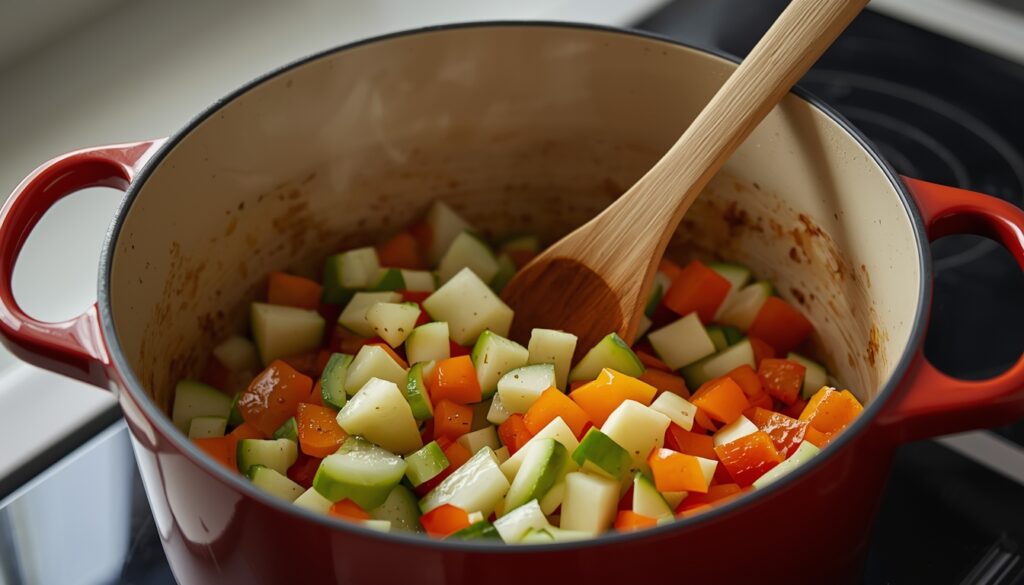
In the same pot (don’t clean it—those browned bits are gold), add the onions, carrots, and celery. Cook for about 5 minutes, stirring occasionally, until the vegetables start to soften and pick up some color.
Add the garlic and cook for another minute. Your kitchen should smell amazing right about now.
Step 3: Deglaze and Simmer
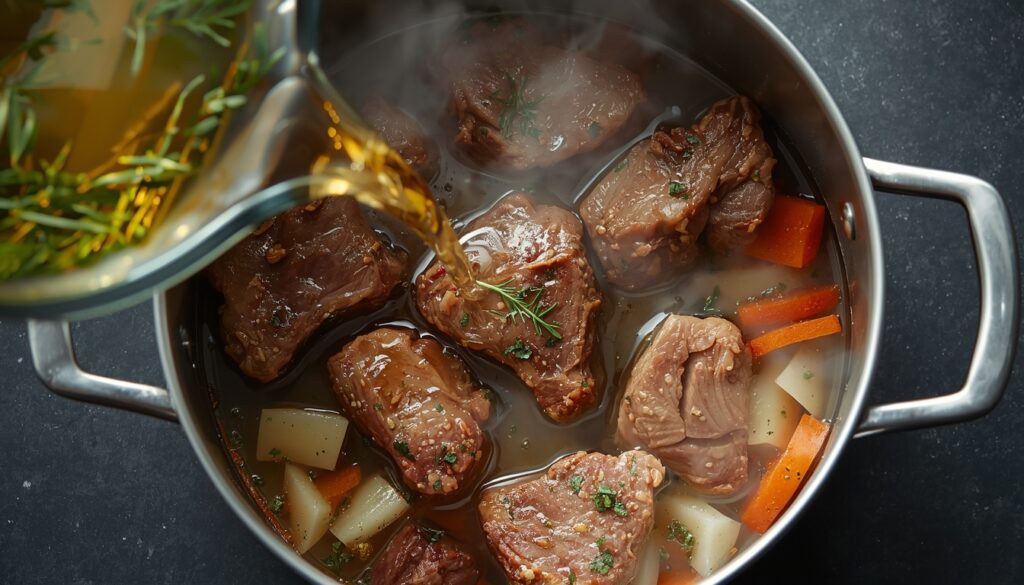
Pour in the red wine (if using) and scrape up all those beautiful browned bits from the bottom of the pot with a wooden spoon. Let it bubble for 2-3 minutes.
Add the beef back to the pot along with the beef broth, bay leaves, thyme, and peppercorns. The liquid should come about halfway up the beef—add more broth or water if needed.
Step 4: Low and Slow
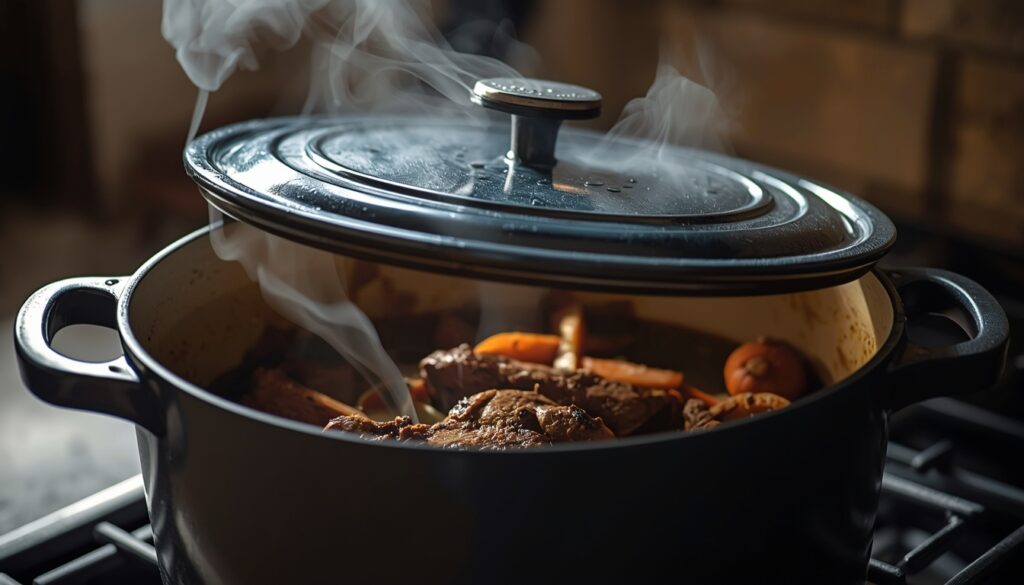
Bring everything to a gentle simmer, then reduce the heat to low. Cover the pot with a lid, leaving it slightly ajar so steam can escape.
Let it cook for 2-2.5 hours, checking occasionally. You’ll know it’s done when the beef is so tender you can pull it apart with a fork without much effort.
If you have a bit more time, go for the full 2.5 hours. The difference between 2 hours and 2.5 hours is noticeable.
Step 5: Rest and Serve
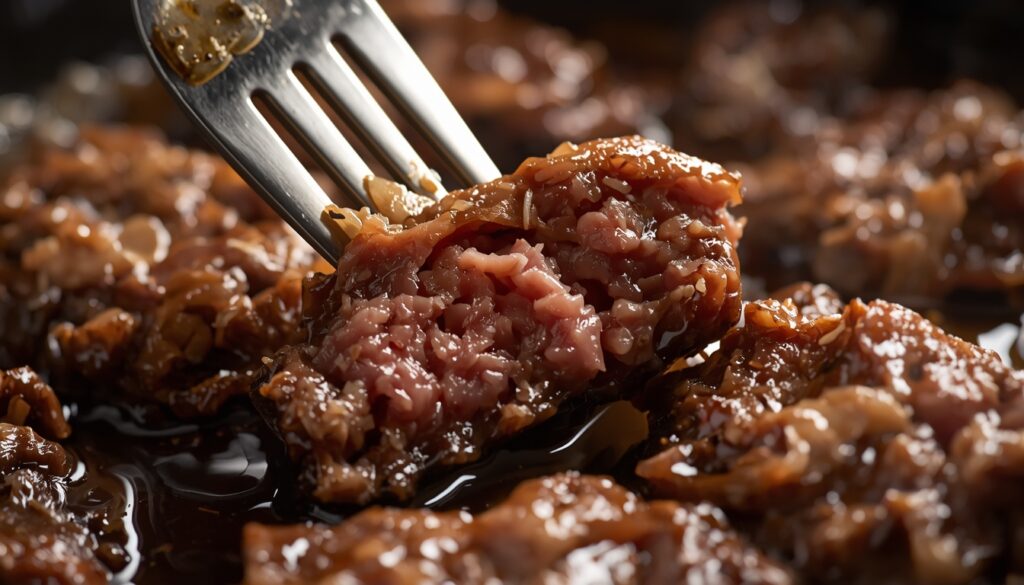
Once the beef is tender, turn off the heat and let it rest in the liquid for 10 minutes. This helps the meat reabsorb some of the juices.
Remove the bay leaves and thyme sprigs. Taste the cooking liquid and adjust the salt if needed.
Storage Tips
Let the beef cool all the way before you put it away. I like to store it in an airtight container with plenty of the cooking liquid, which helps keep everything moist.
It’ll keep in the fridge for about 3 to 4 days. If anything, it’s better the next day once the flavors have had some time to settle in.
If you want to freeze it, portion it into meal-sized containers and freeze for up to 3 months. Make sure each container has enough of the cooking liquid—the sauce freezes well and helps protect the meat from drying out.
Reheating Tips
Reheat it slowly on the stove over low heat, adding a small splash of beef broth or water to loosen things up. Cranking the heat will just dry the beef out, so this is one place where patience pays off.
If you’re reheating in the microwave, do it in 1-minute intervals, stirring between each, and cover the container to trap moisture.
On the stovetop, it usually takes about 5 to 7 minutes to warm through. You’re just heating it, not trying to cook it again.
Common Mistakes I’ve Made (So You Don’t Have To):
Not searing properly: If you skip this or rush it, you lose so much flavor. Make sure the pot is hot, and the beef is dry.
Not having everything ready – I’ve said it before, but it’s worth repeating. Don’t start cooking until everything is prepped. Chopping mid-stir-fry almost guarantees something will burn.
Using high heat throughout: Tender beef needs low, gentle heat. Boiling it will make it tough.
Cutting the beef too small: Larger chunks hold up better during long cooking. Aim for 2-3-inch pieces.
Forgetting to taste: Always taste the cooking liquid before serving. It almost always needs a bit more salt than you think.
Variations
1. Asian-style: Add ginger, star anise, soy sauce, and a bit of brown sugar instead of wine and herbs.
2. Spicy version: Toss in some dried chilies or a spoonful of chili paste.
3. Herb-heavy: Double the thyme and add some rosemary for a more aromatic dish.
4. Tomato-based: Add a can of crushed tomatoes and a splash of balsamic vinegar for an Italian twist.