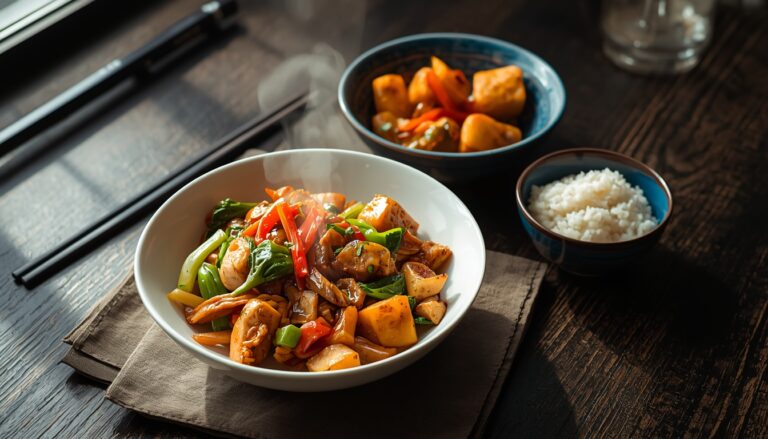
Easy Italian Pasta Recipe at Home (25 Minutes!)
Easy Italian Pasta Recipe at Home. I like making this pasta because it doesn’t take long, and it doesn’t ask much from you. You’re not standing in the kitchen for hours, and you don’t need any special equipment. It takes about 25 minutes, and it’s done.
This is the kind of meal I make on weeknights when I’m tired but still want real food. The sauce is creamy but not heavy, and the flavors are simple. Nothing fancy, just things that work together. I’ve made it a lot, and it’s still something I genuinely enjoy eating.
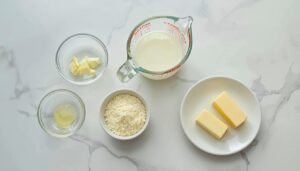
Most of the time, I already have the ingredients. Pasta, butter, garlic, cream, cheese. That’s it. No extra trips to the store, no long list to follow. Sometimes that’s exactly what you want.
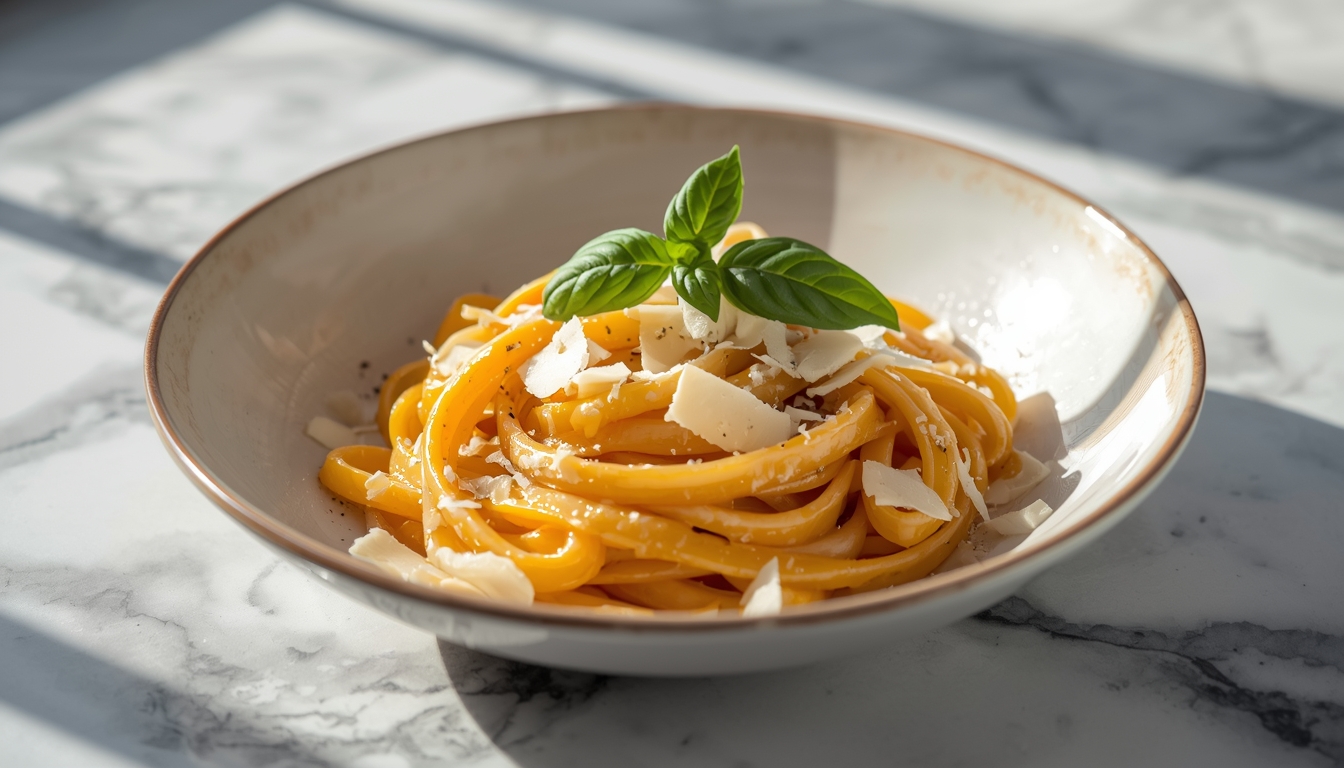
Easy Italian Pasta Recipe at Home
Ingredients
Method
- Start by bringing a large pot of salted water to a rolling boil. I mean really salt it—the water should taste like the sea. This is your only chance to season the pasta itself, so don't be shy.
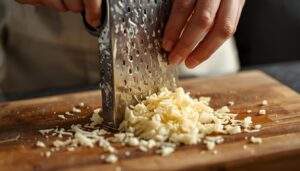
- While the water heats up, mince your garlic. I like mine pretty fine because I'm not a huge fan of biting into big chunks of garlic, but if you love garlic, go ahead and chop it a bit larger.Grate your Parmesan fresh if possible. The pre-grated stuff from a can doesn't melt nearly as smoothly, and honestly, the flavor just isn't there. I learned this the hard way after a disappointing dinner a few years back.
- Measure out your cream and have everything ready near the stove. This recipe moves pretty quickly once you start cooking, so you don't want to be scrambling for ingredients.
- Serve the pasta right away while it’s still hot. I usually twirl it into shallow bowls, then finish each one with extra Parmesan, a few turns of black pepper, and some torn basil on top. If you added red pepper flakes to the sauce, you can skip them here—or add more if you like a bit of heat.A simple side salad with lemon vinaigrette helps balance the richness. Garlic bread works too, though at that point it’s carb-on-carb, which I’m not complaining about.This pasta goes well with a crisp white wine like Pinot Grigio or Sauvignon Blanc. That said, I’ve had it plenty of times with just sparkling water and enjoyed it just as much.
Video
Step 1
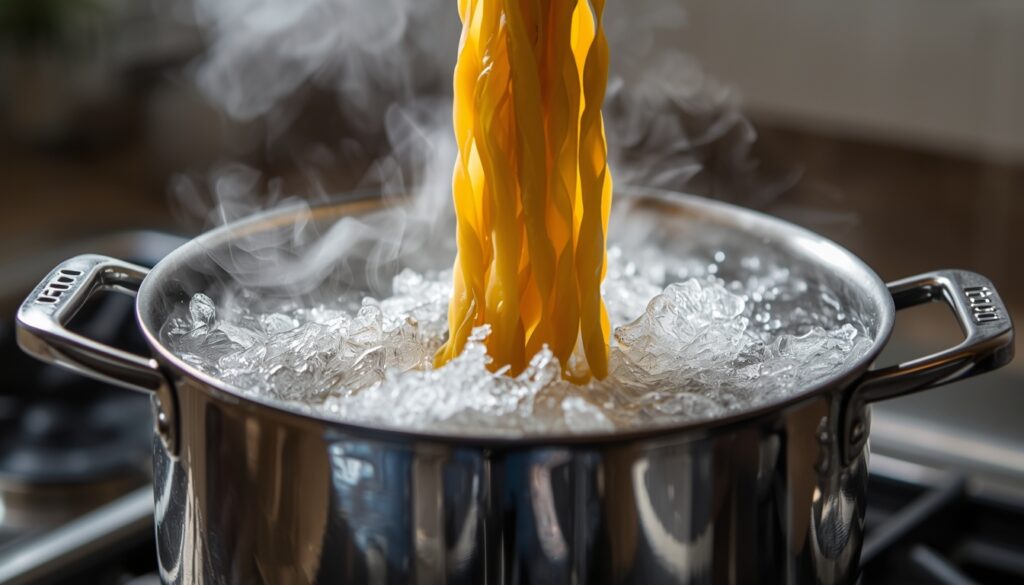
Once your water is boiling, add the pasta. Cook it according to the package instructions, but aim for it to be al dente. You want it to have a bit of bite, as it’ll continue to cook slightly when mixed with the sauce.
Step 2
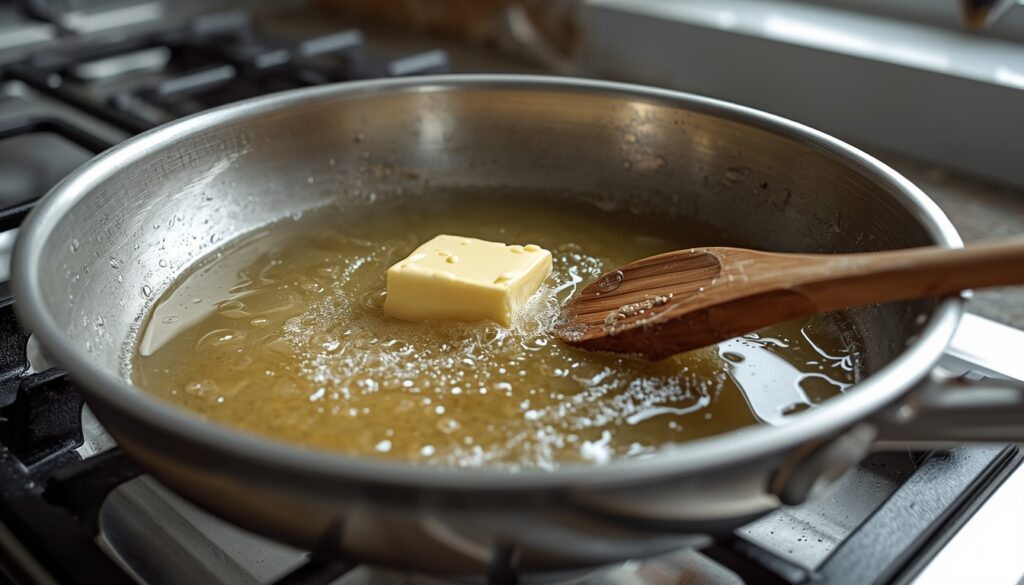
While the pasta is cooking, melt the butter in a large skillet over medium heat. Don’t let it brown—you just want it melted and gently bubbling.
Step 3
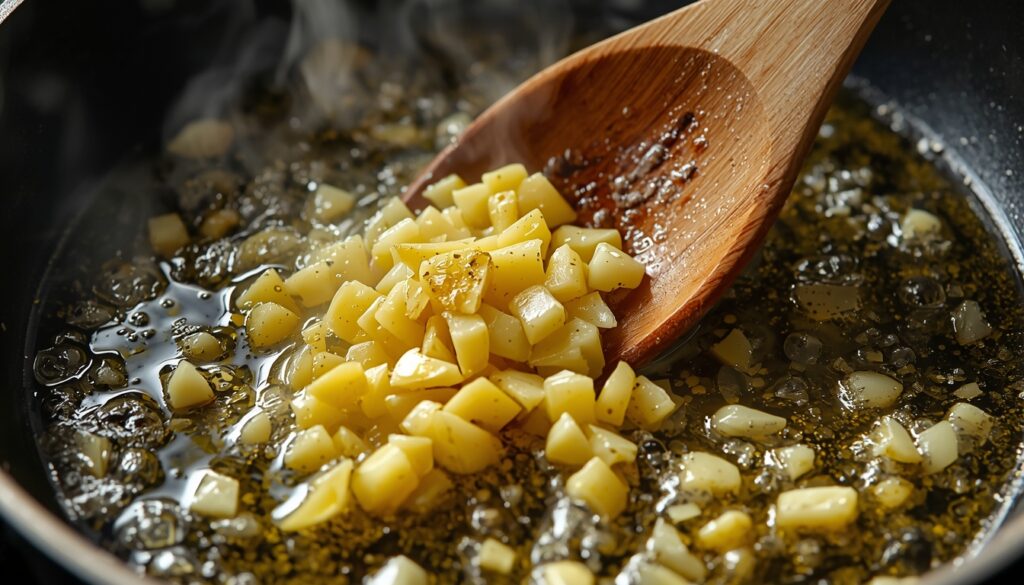
Add the minced garlic to the melted butter and cook for about a minute, stirring constantly. The garlic should smell amazing and turn just lightly golden. If it browns too much, it gets bitter, so keep an eye on it.
(I’ve burned garlic more times than I care to admit because I got distracted checking my phone.)
Step 4
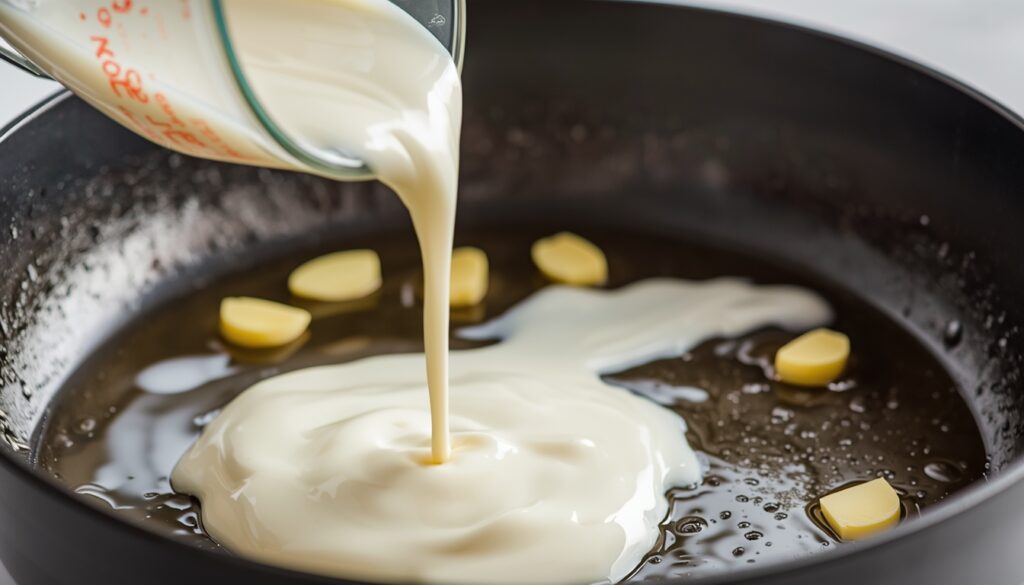
Pour in the heavy cream and stir everything together. Let it simmer gently for 3–4 minutes. You’ll see it start to thicken a bit. Don’t let it boil hard—a soft, gentle simmer is all you need.
Step 5
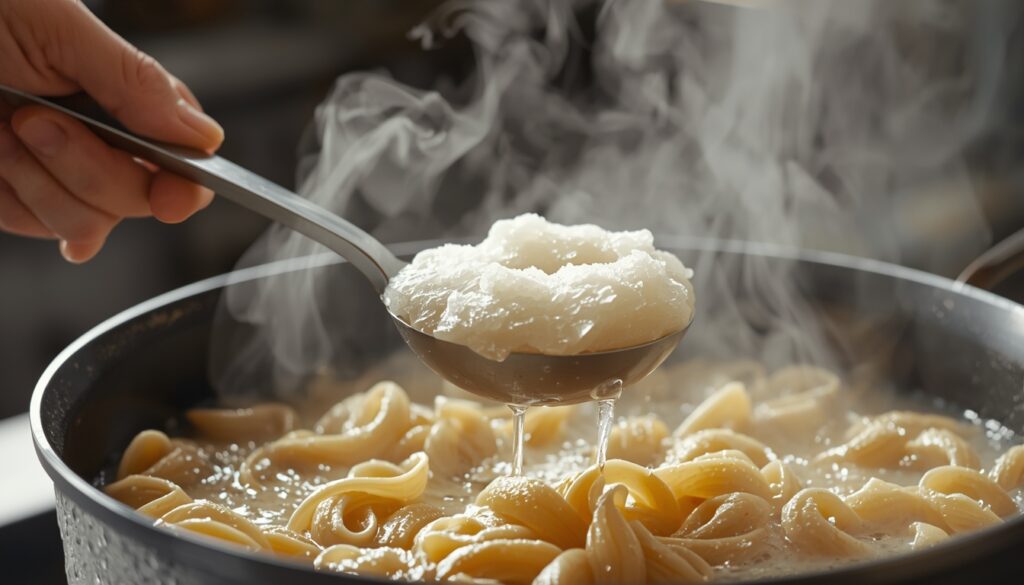
Season with salt and black pepper, tasting as you go since the Parmesan you’ll add next is already salty.
Here’s an important step: before you drain the pasta, scoop out about half a cup of the pasta water and set it aside. That starchy water is pure magic for helping the sauce come together.
Step 6
Add the beef cubes and mix well so every piece gets coated in the masala. Cook over medium-high heat for about 5 minutes, stirring now and then.
Step 7
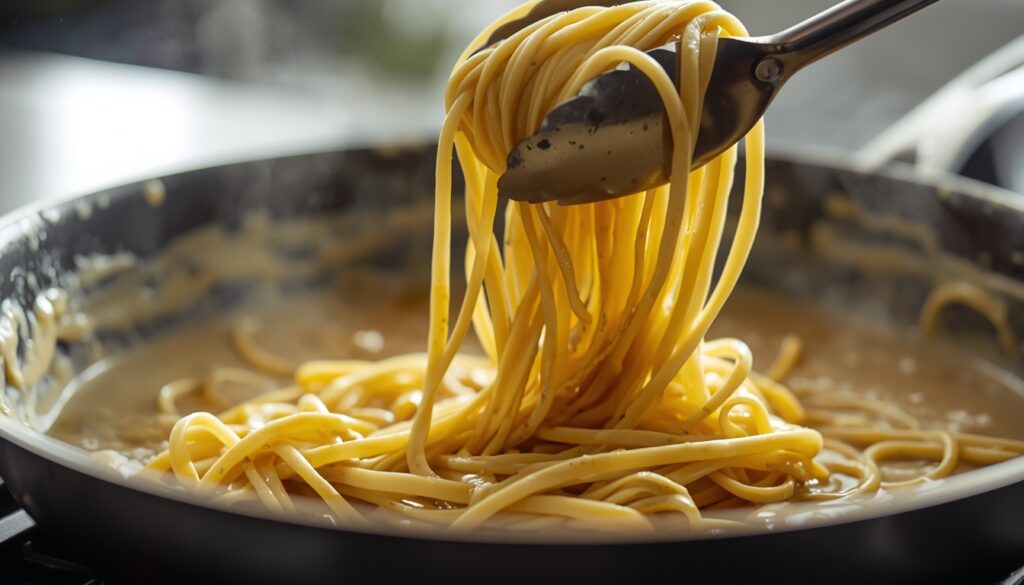
Drain the pasta, but don’t rinse it—you want to keep that starch. Add the hot pasta straight into the skillet with the cream sauce and toss everything together.
Step 8
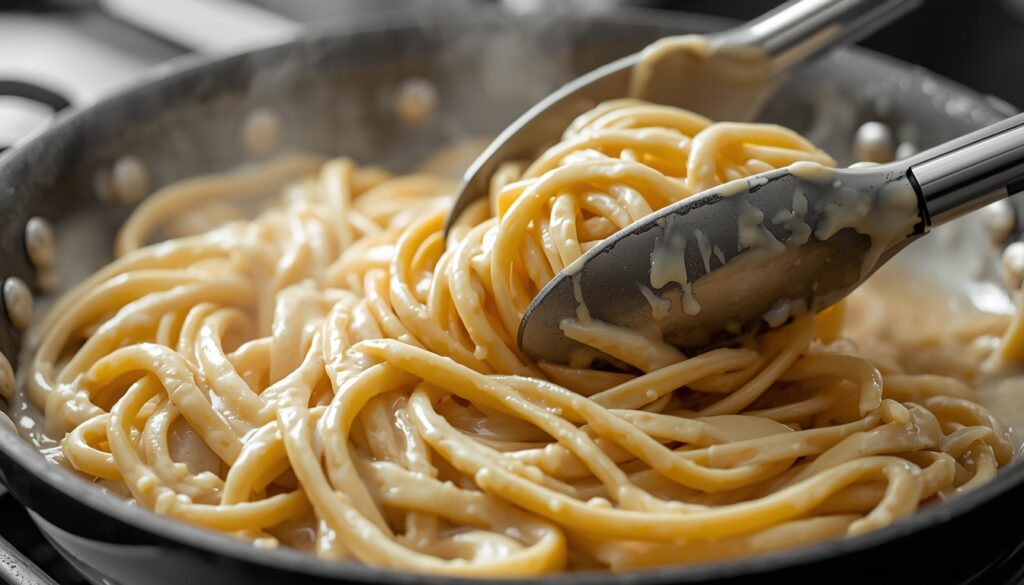
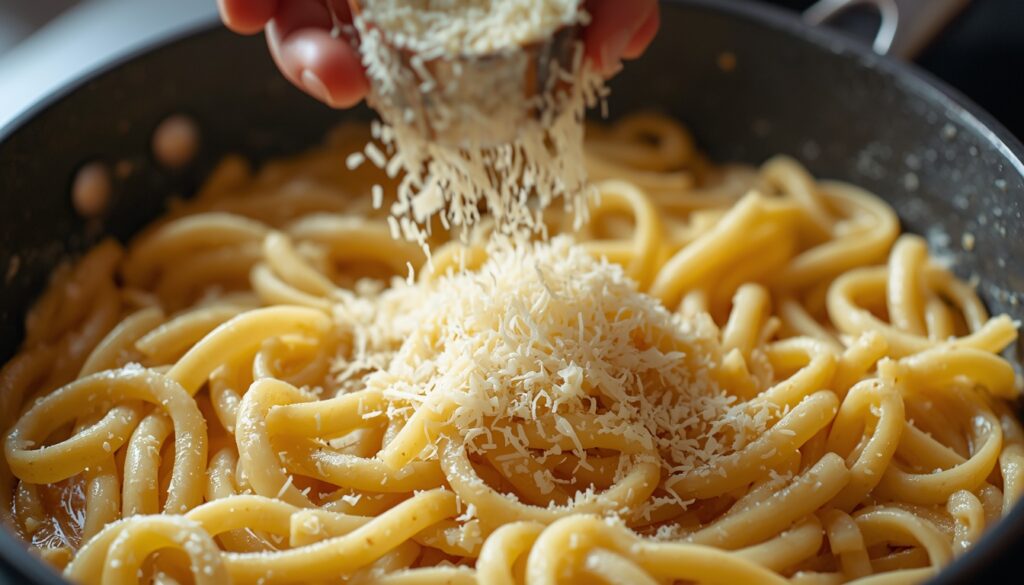
Take the skillet off the heat and stir in the grated Parmesan. Toss it quickly so the cheese melts into the sauce instead of clumping. If the sauce seems too thick, add a splash of the reserved pasta water. I usually use about ¼ cup, but it depends on how thick your cream was and how much it reduced.
Step 9
Keep tossing the pasta until it’s silky and fully coated. It should look glossy, not dry or clumpy.
Tips and Variations
Don’t skip the pasta water. Seriously, it’s what helps the sauce stick to the pasta. I used to drain my pasta completely and wonder why restaurant pasta always seemed better. This is the reason.
Use fresh Parmesan. I know I said it before, but it really matters. The texture and flavor beat the pre-grated stuff every time.
Adjust the garlic to taste. Four cloves is what I like, but if you’re cooking for someone who isn’t as garlic-crazy, two or three works fine.
Add protein if you want. Grilled chicken, shrimp, or crispy pancetta all work. I’ve even tossed in leftover rotisserie chicken—it makes it more filling without extra effort.
Try different herbs. Basil is the classic choice, but parsley or a little thyme can work too.
Make it lighter. You can use half-and-half instead of heavy cream. It won’t be as rich, but it still tastes good if you’re watching calories.
Watch the heat. If your burner runs hot, use medium-low instead of medium. Cream can break if it gets too hot, so keep an eye on it.
Storage Tips
Creamy pasta doesn’t keep as nicely as tomato-based sauces, but leftovers are still doable. Let it cool completely, then move it to an airtight container. It’ll keep in the fridge for up to two days.
The sauce will thicken a lot as it cools, which is normal. When you take it out of the fridge, it might look a little separated, but it comes back together once it’s reheated.
I wouldn’t freeze this one. Cream sauces tend to turn grainy after freezing and thawing, and it’s just not worth it here.
Reheating Tips
The microwave works if you need it, but reheating on the stovetop gives better results. Put the pasta in a skillet over low heat and add a few tablespoons of milk, cream, or even some pasta water. Stir gently as it warms, and the sauce will loosen and get creamy again.
If you do use the microwave, go with 50% power and stir every 30 seconds, adding a splash of liquid to help it along.
Common Mistakes to Avoid
Overcooking the garlic. This happens so easily. Burned garlic turns bitter and can ruin the whole dish. One minute in the butter is plenty.
Forgetting to save pasta water. I’ve done this more times than I care to admit. Now I keep a measuring cup right by the stove so I don’t forget.
Adding cheese while the pan is too hot. Parmesan can clump instead of melting if the sauce is still boiling. Take the pan off the heat first.
Rinse the pasta. The starch on the pasta helps the sauce stick. Rinsing it washes that away.
Using low-fat cream. I tried it once to cut calories, and the sauce just didn’t have the same body. Sometimes you need the real thing.